

Our building is old and doesn’t meet modern standards for access, this is something we’re working hard to address as soon as we are able.
The building was designed as a library in the 1930s and has had relatively little modernisation since.
There is level access into our main space where all of our workshops and events take place, with automatic doors making access simple for those with mobility challenges.
We have two gender-neutral toilets that are not accessible for wheelchairs or buggies. Our most-used public toilet is down a flight of fairly steep stairs. There is a second toilet which is mostly for staff and volunteers but can be used if requested (if sufficient staff or volunteers are available to support you).
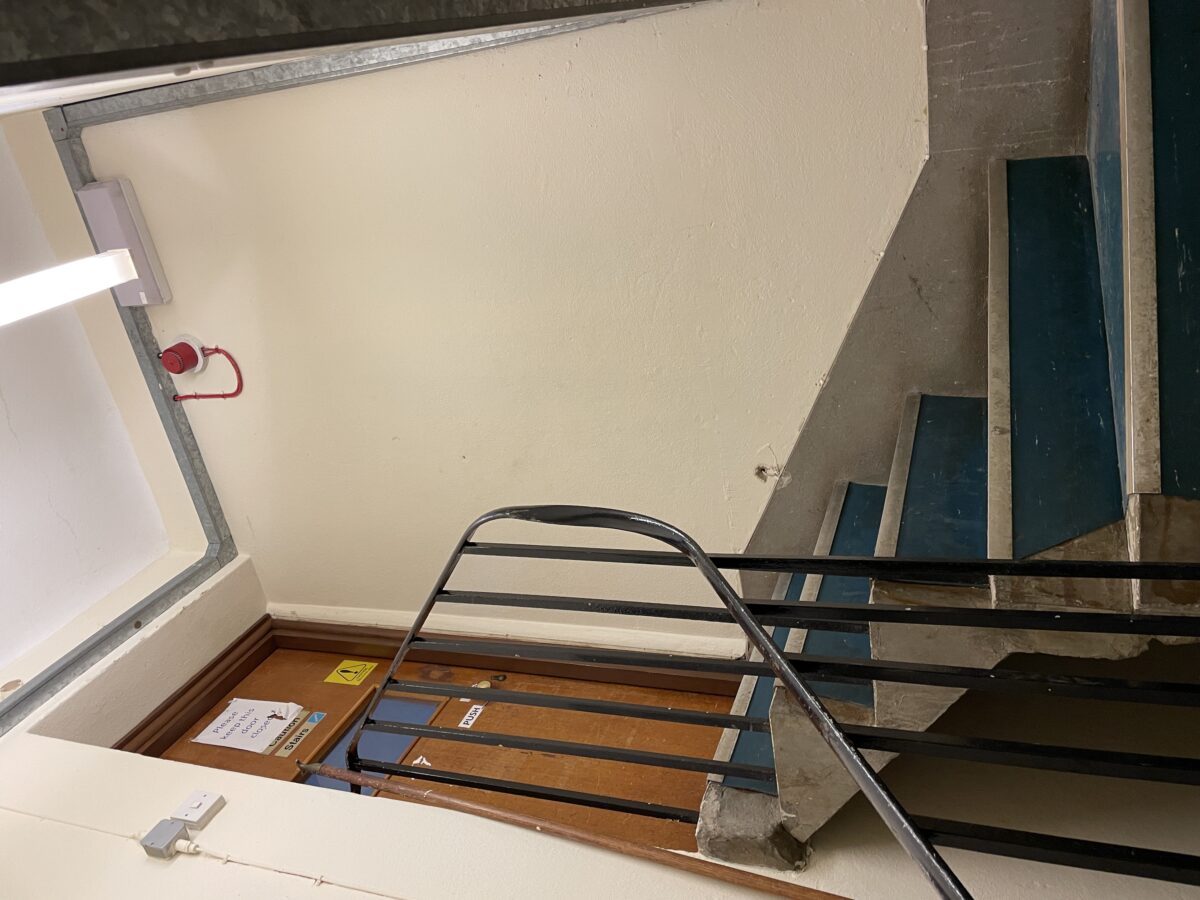
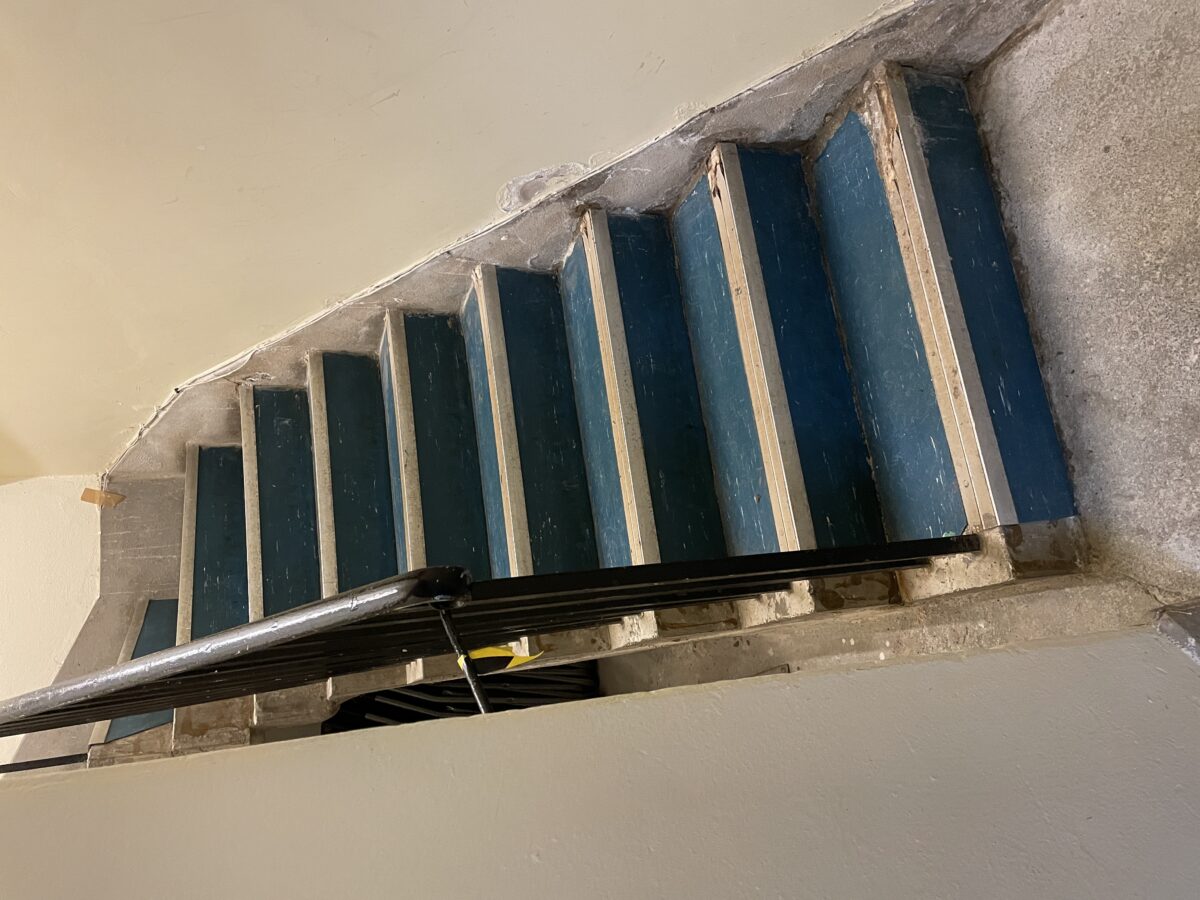
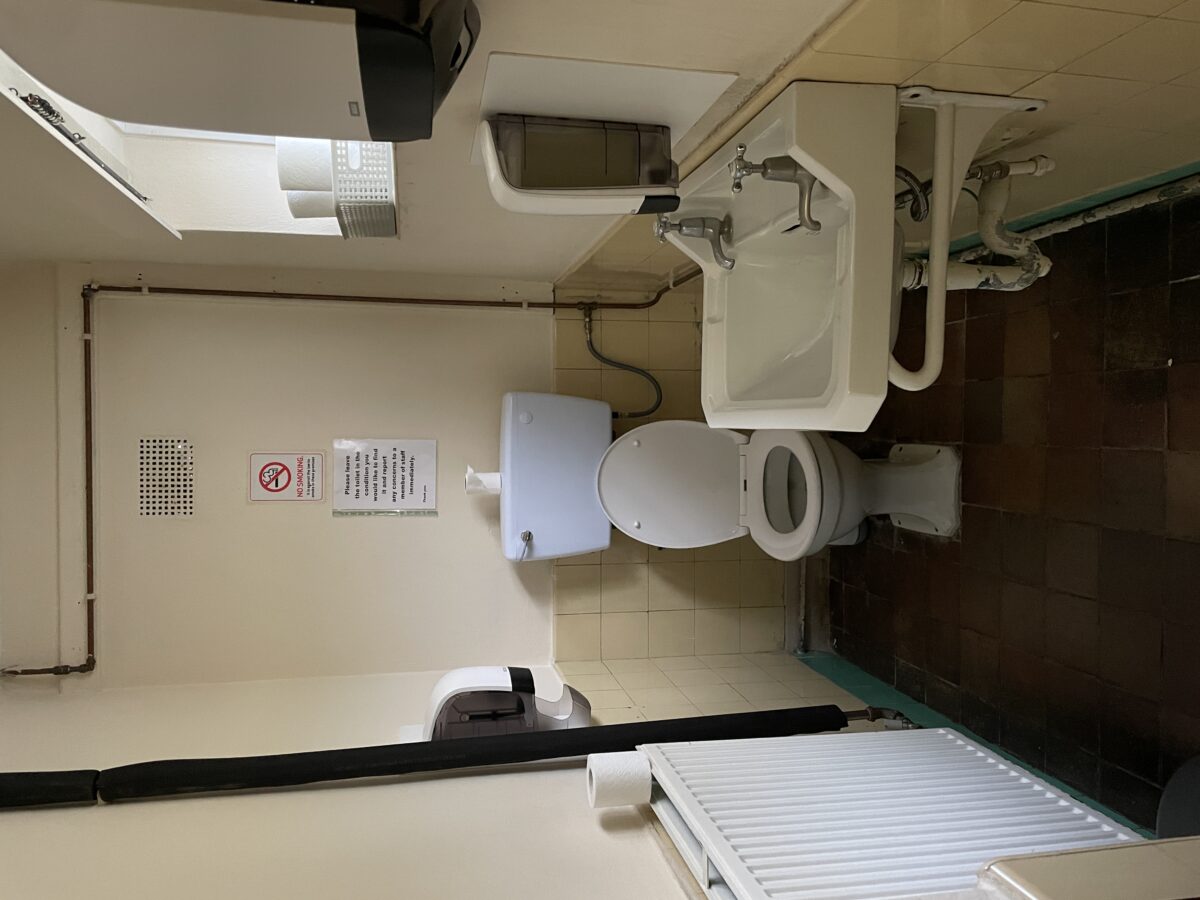
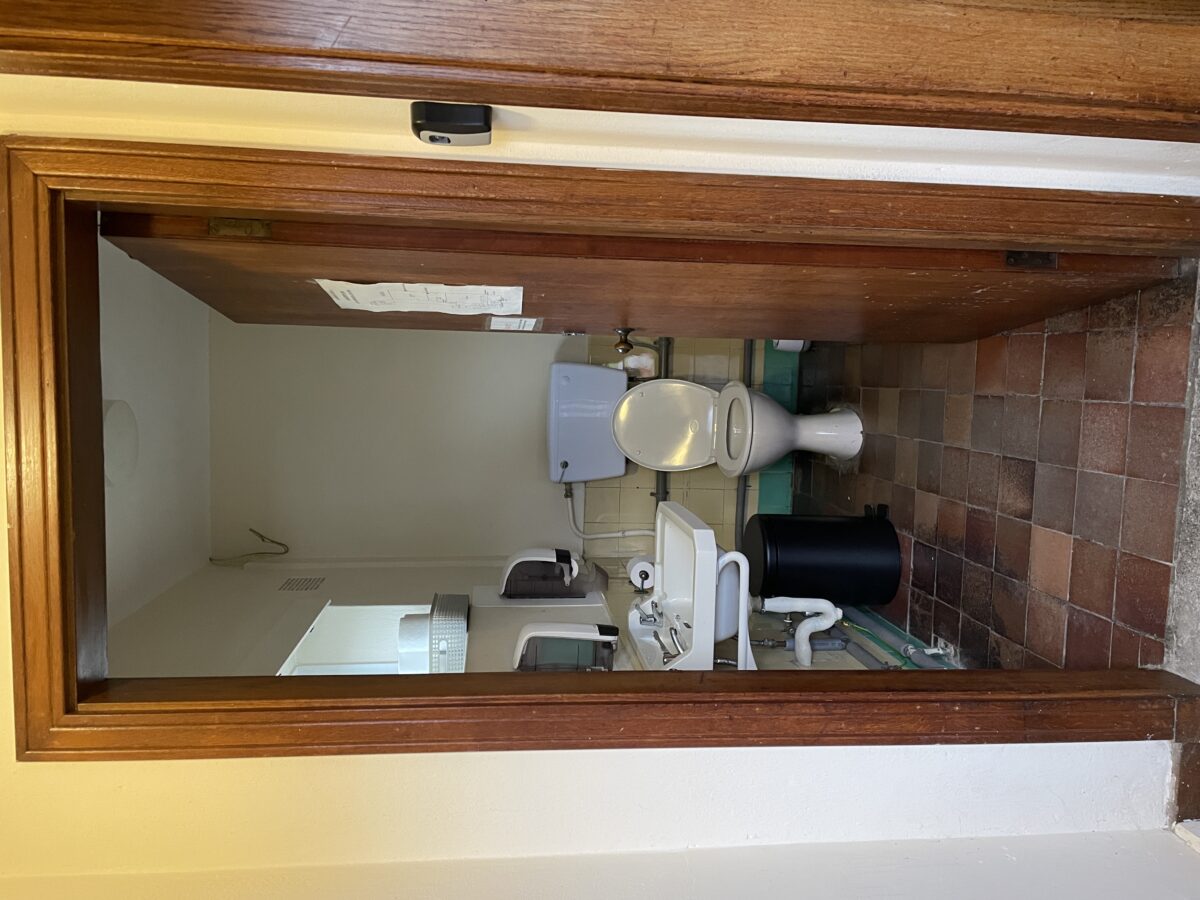
This second toilet can also be reached via our staff entrance with only two steps en route, avoiding the steep internal stairs. This involves exiting the main space, going back out to the public pavement on Sanderstead Hill, around the corner onto Farm Fields, and back in the other gate, where there’s a single step plus a small step into the doorway (about 120 metres distance) – see map.
Working Towards Better Access
We do not underestimate how important it is to make the building accessible, nor how complex and costly this may be. Improving access — including step-free routes, accessible toilets and other adjustments — is a clear long-term priority for us.
This work will require careful planning, professional advice and dedicated funding, and we are committed to pursuing it responsibly as part of the building’s future development.
In the meantime, we aim to be transparent about the building’s current limitations, offer practical support where possible, and work with people to understand and reduce barriers.
We are actively looking for funding to kick-off this project, but we won’t be able to make changes until we have our own lease.
Alongside physical changes, we are focused on creating a low-duress, trauma-informed and sensory-aware environment, shaped with and by disabled, neurodivergent and marginalised people to create an equitable space where everyone feels welcome.